
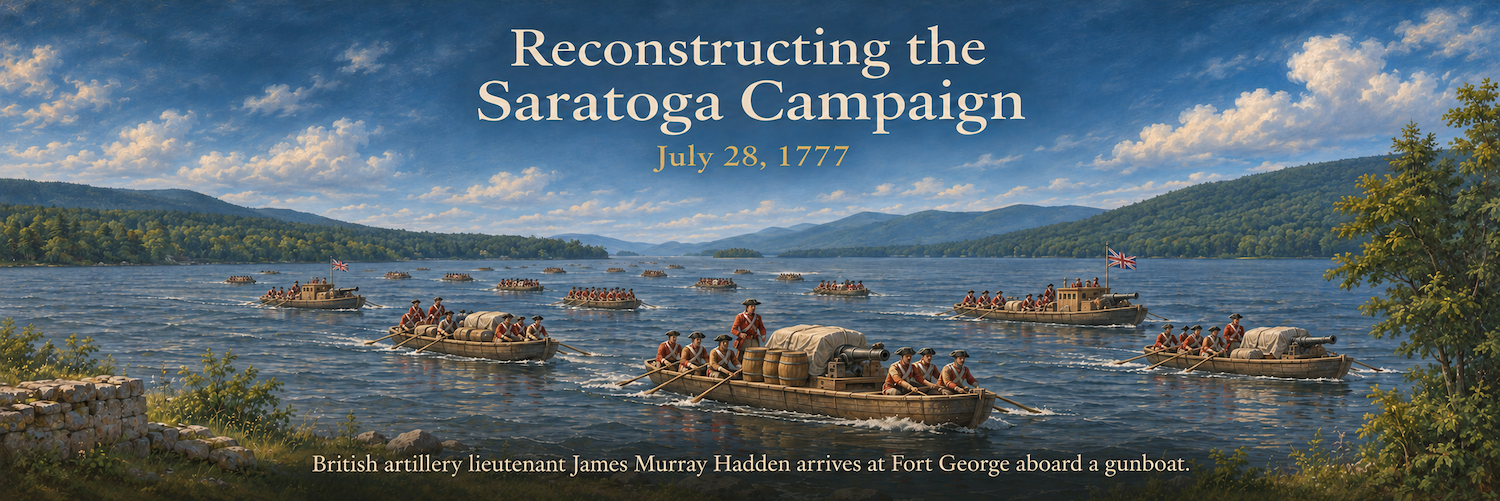
On Christmas Day 1776, American soldiers at Fort Ticonderoga turned on one another. Their army had retreated from Canada, and the men left to defend the Lake Champlain corridor faced the winter with illness in their ranks and uncertainty about who would stay. Less than ten months later, John Burgoyne’s British army surrendered at Saratoga.
How did one winter’s disarray give way to a victory that would be the turning point of the war?
We’re telling this story in the places where it happened, from the fortifications at Ticonderoga and Mount Independence to the roads, river crossings, and fields around Saratoga.
Maps will show what the terrain made possible and what it made difficult. Letters, journals, and testimony will bring in people who lived through the campaign; historians, guides, and community knowledge holders will help readers understand what the records reveal and where they fall short.
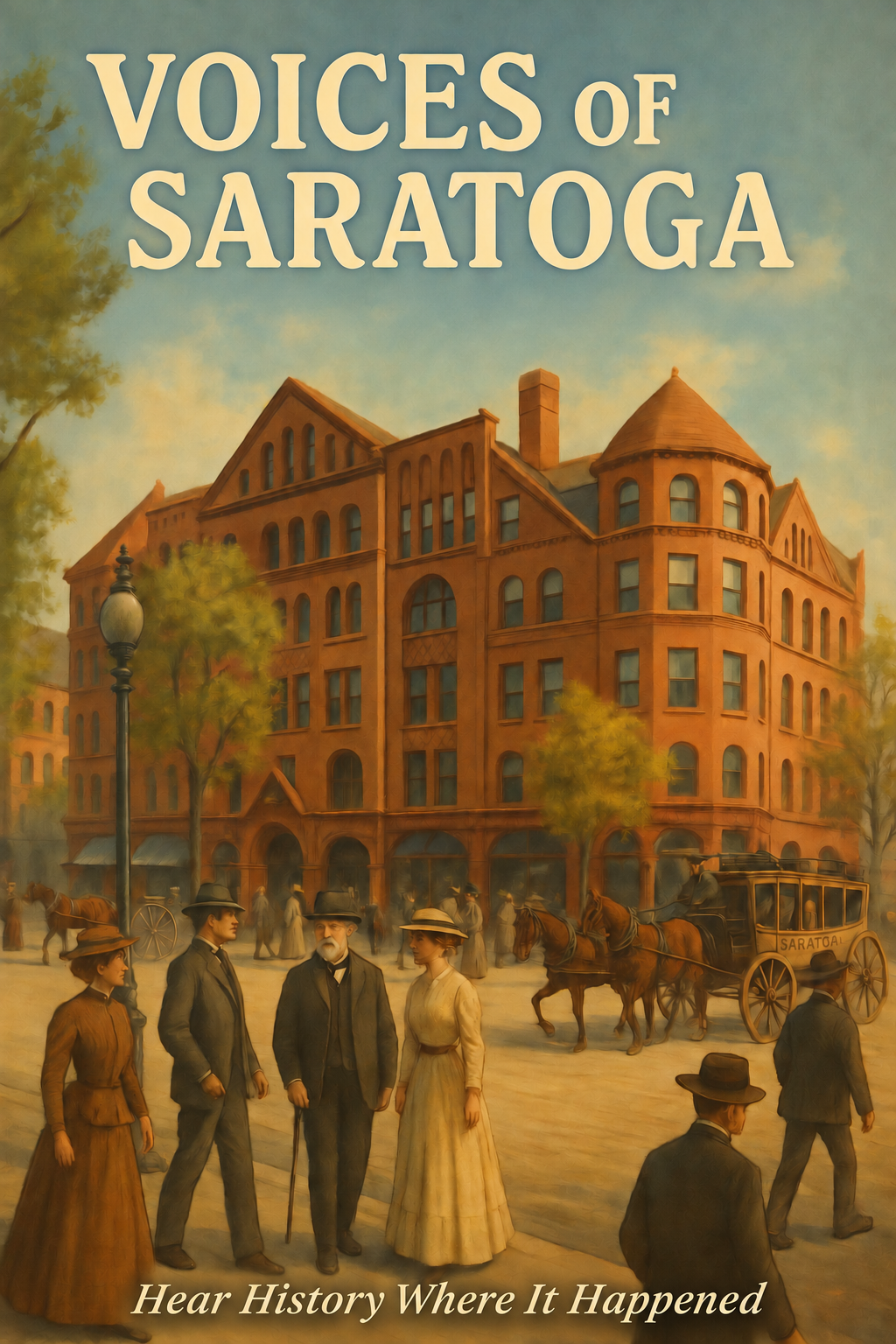
We’re scheduling for July 1 our launch of our self-guided audio tour on Voices of Saratoga, a package of ten self-guided audio tours we’re developing in STQRY.
How Our Story Unfolds
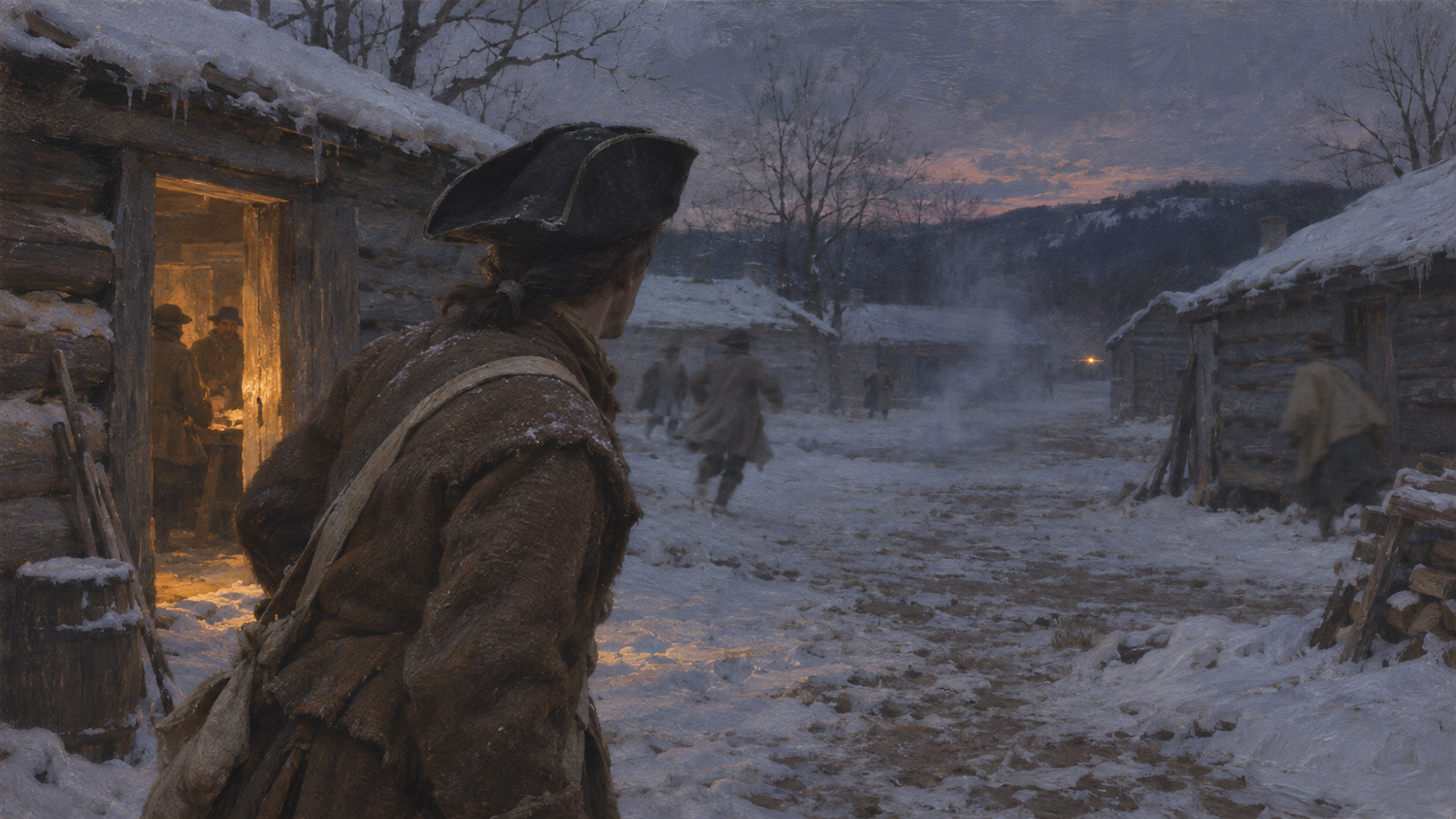
Christmas Day 2026 / Liberty Hill
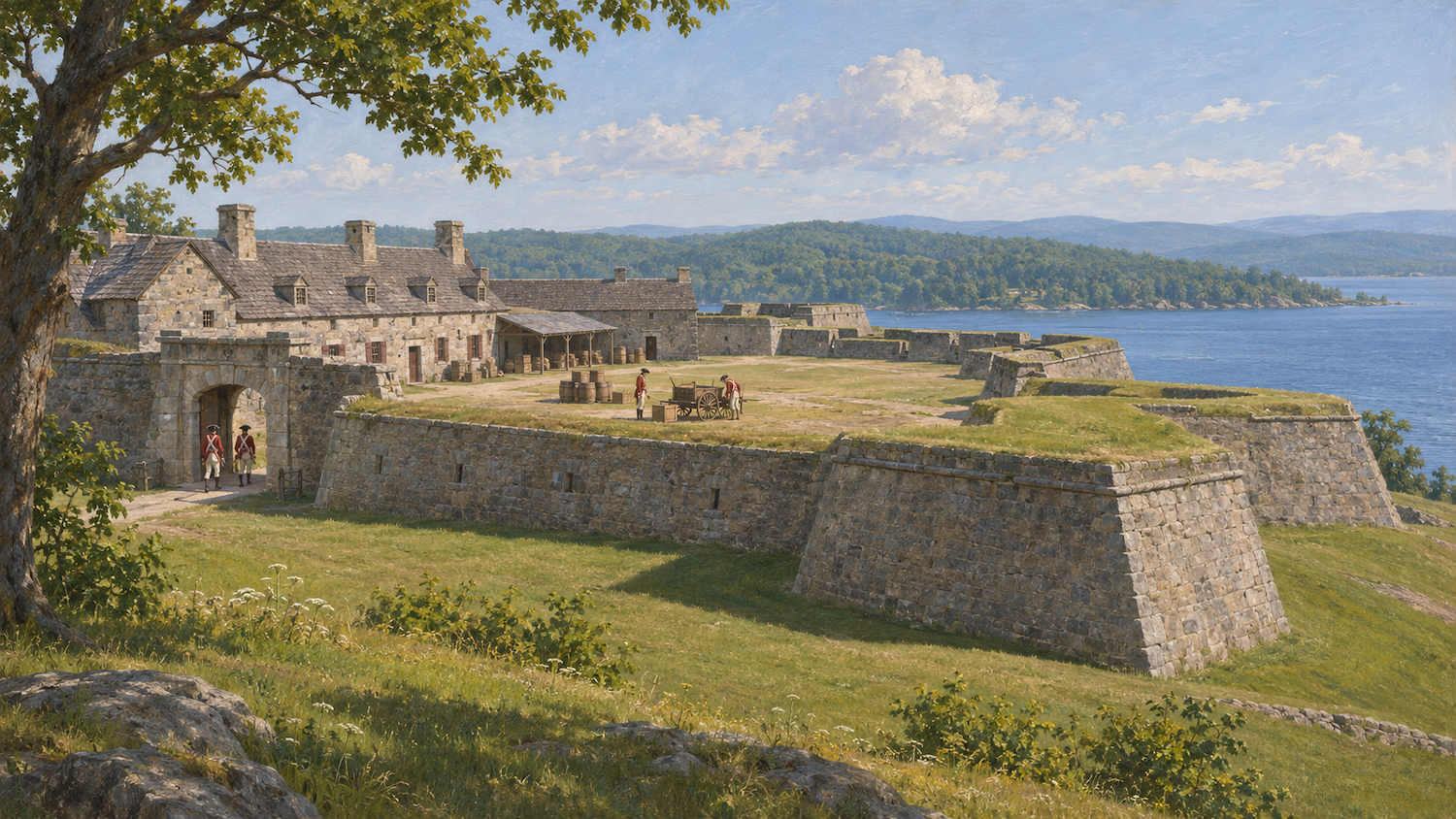
Our introduction and prelude set the stage for the opening of our story at the winter garrison at Fort Ticonderoga, where we’ll explore why the soldiers clashed, and what the episode reveals about the Continental army that was charged with defending the northern frontier.
Fort Ticonderoga’s December 19 reenactment presents an opportunity to encounter the story on site. Imagining ourselves there in “real time” 250 years ago, we’ll start our reporting.
Winter through Summer 2027 / The Roads to Albany
We’ll follow the campaign through its beginning in London in February, when John Burgoyne proposed his plan to squelch the colonists’ rebellion by traversing the Hudson and Mohawk River corridors and capturing Albany.
We’ll witness Burgoyne’s bloodless capture of Ticonderoga in the first week of July, the fighting at Hubbardton, the movement of troops and supplies through Fort Edward, and the British setbacks at Oriskany and Bennington.
Fall 2027 / The Battles and the Surrender
We’ll trace the crossing of the Hudson on the “Bridge of Boats,” the first and second battles of Saratoga, the retreat to the surrender grounds, and the British surrender.
We’ll close with an epilogue that explores the importance of the Battle of Saratoga in the trajectory of the war, especially the decision by the French to join the fight.
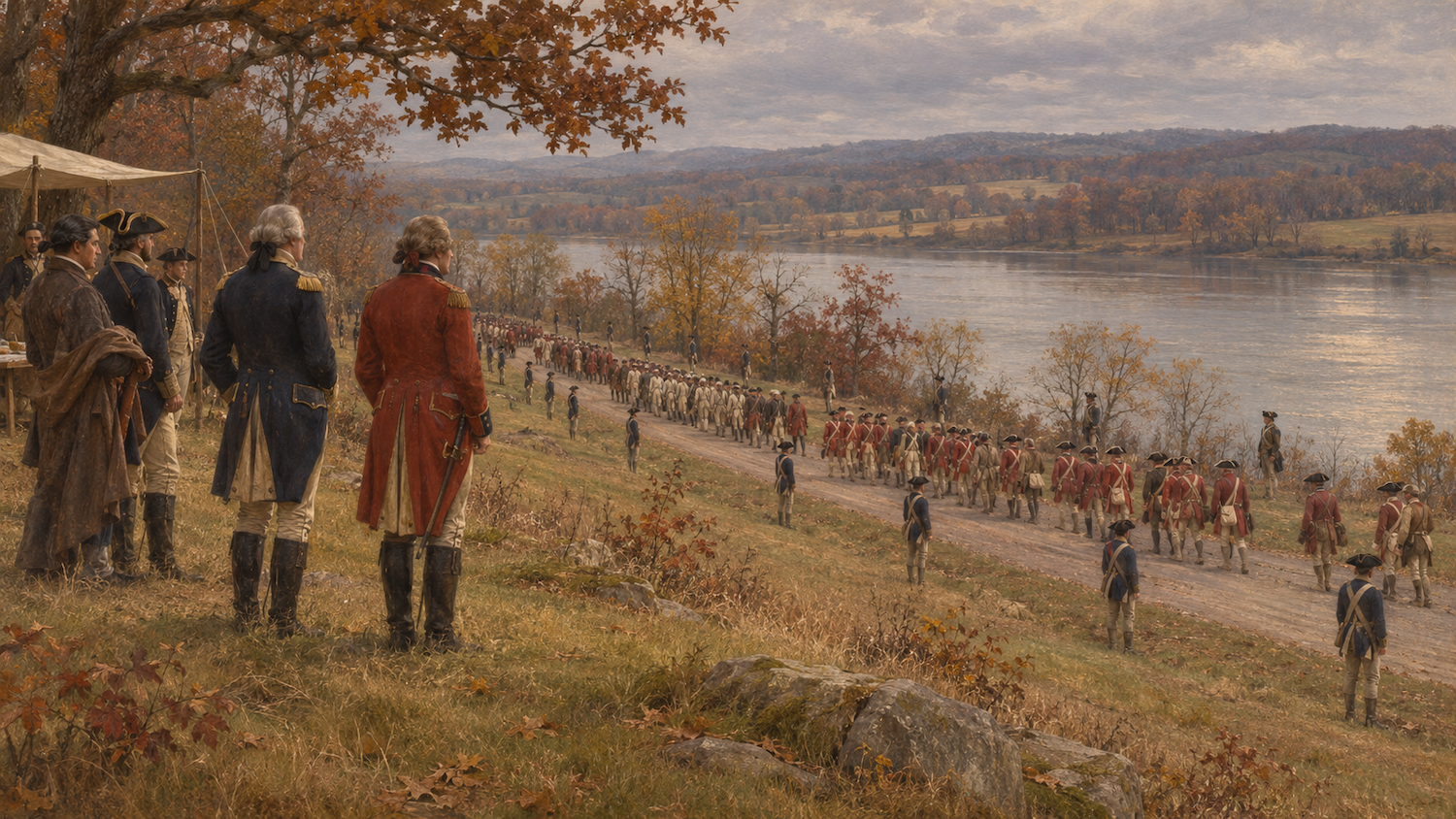
Points of Interest on Our Audio Tour
Targeted for Release: July 1, 2027
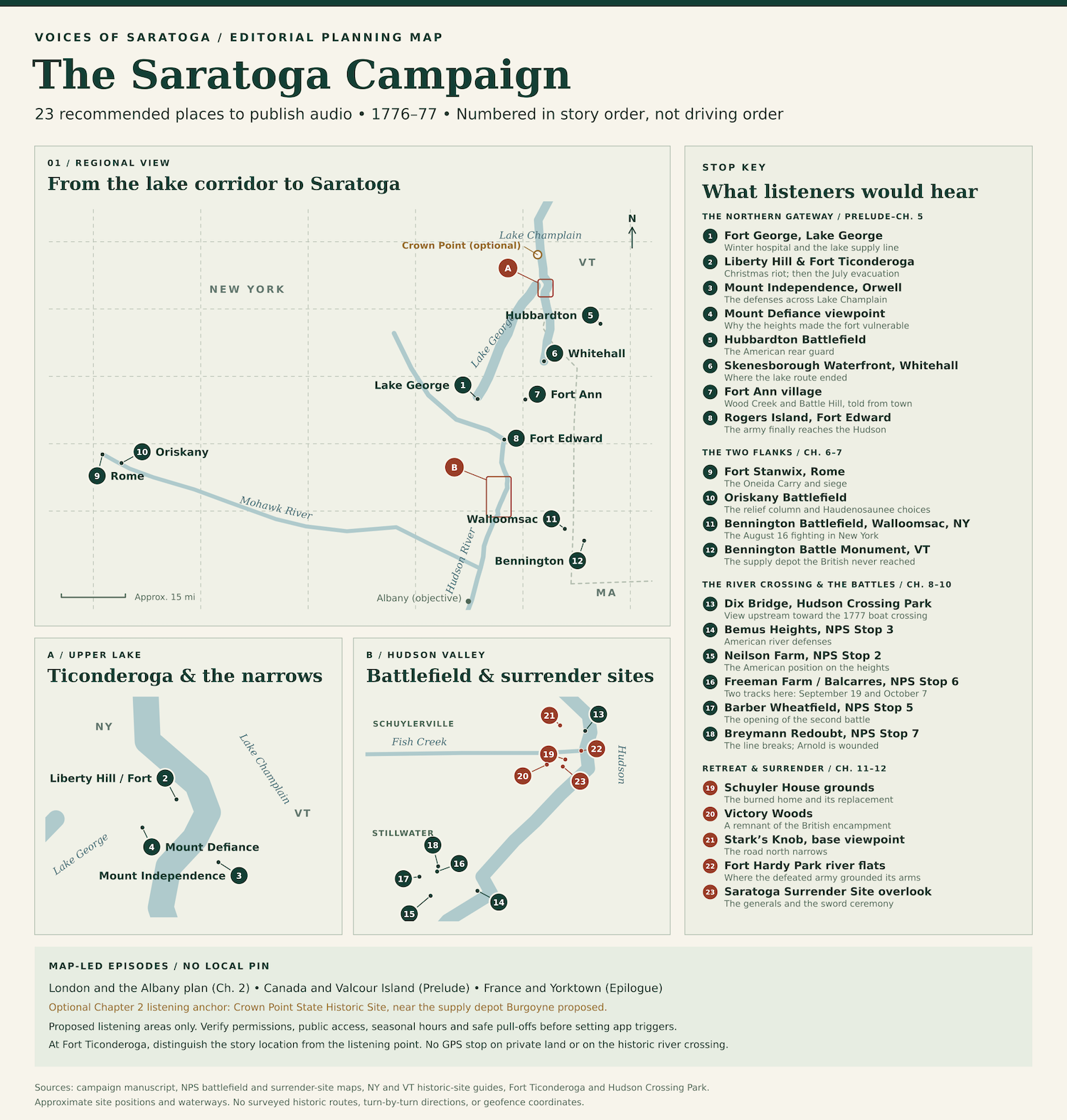
Voices of the Saratoga Campaign
To be generated by Smartacus with experts whose knowledge we mine in conversations in Zoom
Anthony Wayne | Keeping an Army Alive at Ticonderoga
Wayne’s letters and orders take us inside the winter garrison at Fort Ticonderoga and Mount Independence. An old wet tent, sick men and the work of building huts tell us what it took to hold the northern line before Burgoyne ever arrived.
James Thacher | Christmas Night at Liberty Hill
A Massachusetts surgeon’s mate describes how resentment between regiments turned into violence on Christmas Day 1776. His account gives the episode its immediacy, but it is one man’s version of what happened.
Ebenezer Elmer | A Second Account of Christmas Day
The New Jersey officer’s journal lets us hear how that same day looked from elsewhere in the garrison. I’d put Elmer and Thacher in the same feature so listeners can hear what the two accounts establish and where they leave questions open.
John Burgoyne | The Plan, the Crossing and the Surrender
Burgoyne is a voice we’ll return to three times: when he lays out his strategy in London, when his army crosses the Hudson near today’s Dix Bridge, and when he negotiates the terms of surrender. His own words let us measure the distance between the campaign he imagined and the one he fought.
Philip Schuyler | Buying Time at Fort Edward
At Fort Edward and Rogers Island, Schuyler’s correspondence shows the American retreat as a problem of roads, supplies and time. Burgoyne was advancing, but every day the British spent getting men and equipment to the Hudson was another day the Americans could use.
Enos Stone | A Fence Rail at Hubbardton
A captain’s later recollection brings the rear-guard action down to the scale of a fence rail and the cartridges in one man’s hands. Stone gives listeners a way into the battle that a map of troop movements cannot.
John Stark | From Bennington to Stark’s Knob
Stark’s dispatches anchor the American side of the Battle of Bennington. When we reach Stark’s Knob later in the series, the historian will use the ground itself to explain how little room Burgoyne had left to retreat.
John Peters | A Childhood Playmate on the Other Side
At Bennington, the Loyalist officer recognized a man he’d known as a boy among those fighting against him. I’d pair Peters with Stark to show that the fight for supplies was also a civil war among neighbors and families.
Henry Dearborn | Inside the Woods at Freeman’s Farm
Dearborn’s journal puts listeners with the American light infantry in the first battle. His account gives us a view from the woods that the commanders, trying to follow the action across separate columns and clearings, did not have.
Georg Pausch | What the British Couldn’t See
At Barber’s Wheatfield, the German artillery captain recalls officers climbing onto a roof to survey the American position. Even from there, they couldn’t see through the woods. It’s a moment listeners can picture from the overlook.
Nathaniel Bacheller | What Happened Between Gates and Arnold
A letter home, written two days after the second battle, complicates the familiar story that Arnold acted entirely on his own. Bacheller’s account lets us revisit the quarrel without staging a conversation we can’t reconstruct.
Frederika von Riedesel | A Family Under Fire
Frederika’s account of sheltering with her children during the siege gives us a civilian view of Burgoyne’s collapsing campaign. The Marshall House story can be told from a public stop or heard at home.